Amazonian mushroom reveals its true scientific identity and cultural significance
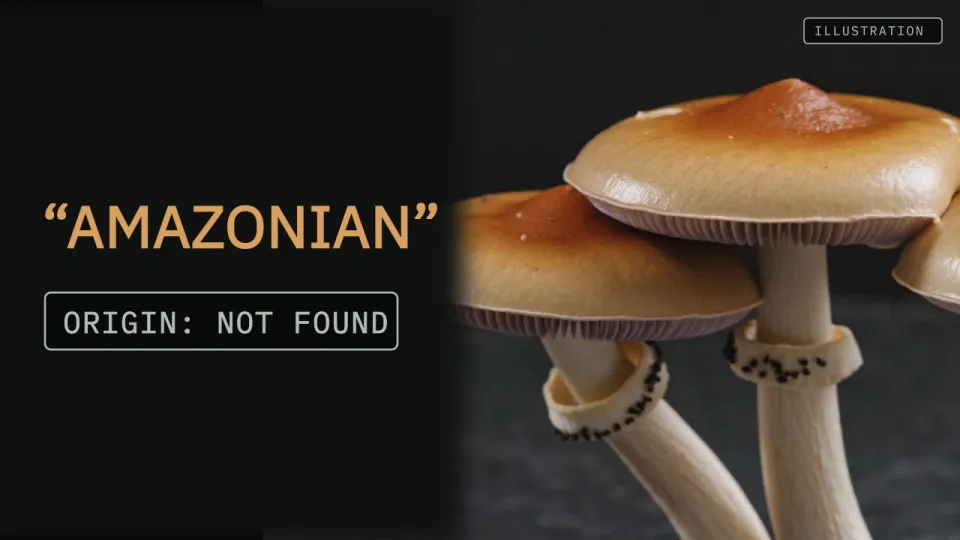
Video: Amazonian Mushroom: Following the Paper Trail Behind the Name
· based on the channel Shroomverse
The Amazonian mushroom is often mentioned in discussions about psychedelic fungi, but its true identity has been obscured by scientific misclassification and cultural assumptions. The term "Amazonian mushroom" specifically refers to a mushroom species originally described under the name Psilocybe amazonica, which was later reassigned to a different species, Psilocybe caerulescens. Understanding this naming history helps clarify the taxonomy and cultural significance of the mushrooms found in the Amazon region.
The Origin of the Amazonian Mushroom Name
The name "Amazonian mushroom" was first introduced in a scientific context when a mushroom specimen from Colombia was described as Psilocybe amazonica. This naming suggested a unique species endemic to the Amazon rainforest area. However, further examination of the original papers and specimens revealed that the mushroom fits taxonomically within the species Psilocybe caerulescens, which has a wider distribution beyond the Amazon basin. This reassignment caused confusion in both scientific and popular literature, as the term "Amazonian mushroom" persisted despite the taxonomic update 02:10.
Taxonomic Clarification and Research Findings
Subsequent mycological research into the Amazonian mushroom focused on morphology and genetic analysis, which confirmed that the characteristics of Psilocybe amazonica align with those of Psilocybe caerulescens. This species is known for its distinctive blue bruising and production of psilocybin, the psychoactive compound. The clarification helps researchers and enthusiasts correctly identify the mushrooms they encounter in the wild and understand their psychedelic properties more accurately. Additionally, the species’ presence in Colombia and neighboring regions is better documented, refining knowledge about its ecological niche 05:45.
Cultural and Ethnobotanical Context
The Amazonian mushroom holds cultural significance among indigenous Amazonian communities, who have used psilocybin-containing mushrooms in traditional rituals for spiritual and healing purposes. The misnomer in scientific literature did not diminish its role in ethnobotany but highlighted the challenges of matching local knowledge with Western taxonomy. Exploring the paper trail behind the name reveals how scientific naming conventions can sometimes overlook or simplify indigenous classifications and uses of mushrooms 08:30.
Implications for Psychedelic Research and Conservation
Accurate identification of Amazonian mushrooms is crucial for psychedelic research, including pharmacology and therapeutic applications. Misclassification can lead to inconsistent results or misunderstandings about potency and effects. Moreover, conservation efforts benefit from precise taxonomy to protect these fungi and their habitats in the Amazon rainforest, which faces ecological threats. Recognizing Psilocybe caerulescens as the true Amazonian mushroom species helps prioritize conservation and sustainable use 11:15.
Conclusion
The "Amazonian mushroom" name, while evocative, masks a complex scientific history involving taxonomic revisions and cultural intersections. The mushroom originally named Psilocybe amazonica is now correctly identified as Psilocybe caerulescens, a species with a broader distribution and established psychoactive properties. This clarification aids scientific accuracy, respects indigenous knowledge, and supports psychedelic research and conservation efforts. The Shroomverse channel provides an insightful exploration of this paper trail, highlighting the importance of rigorous taxonomy in understanding psychedelic mushrooms 13:50.
Key takeaways
- The Amazonian mushroom name originated from a misinterpretation of scientific literature.
- The mushroom initially classified under Psilocybe amazonica was later reassigned to Psilocybe caerulescens.
- Research shows the name 'Amazonian mushroom' is linked to a limited geographic range in Colombia.
- The paper trail reveals confusion between Psilocybe species in Amazonian regions.
- Shroomverse explores historical and taxonomic sources to clarify the mushroom's identity.
Questions & answers
What is the true scientific name of the Amazonian mushroom?
The Amazonian mushroom was initially named Psilocybe amazonica but has been reclassified as Psilocybe caerulescens based on morphological and genetic studies.
Why was there confusion about the Amazonian mushroom's identity?
Confusion arose because the original scientific description was later found to represent a species already described under a different name, and the term 'Amazonian mushroom' persisted despite taxonomic updates.
How is the Amazonian mushroom significant culturally?
Indigenous Amazonian communities have traditionally used psychedelic mushrooms like Psilocybe caerulescens in spiritual and healing rituals, underscoring the ethnobotanical importance beyond scientific classification.
Why is accurate taxonomy important for psychedelic mushroom research?
Accurate taxonomy ensures consistent identification, which is critical for reliable research on potency, effects, and therapeutic potential, as well as for conservation efforts to protect these species and their habitats.
Source: Amazonian Mushroom: Following the Paper Trail Behind the Name · Markdown version